Virtual photography has grown into an increasingly recognised niche within digital media. It uses tools, environments, and lighting systems created by others, yet the resulting images are often treated the same way as traditional photos. This raises the question: is it actually photography?
Redefining the Constraints of Photography
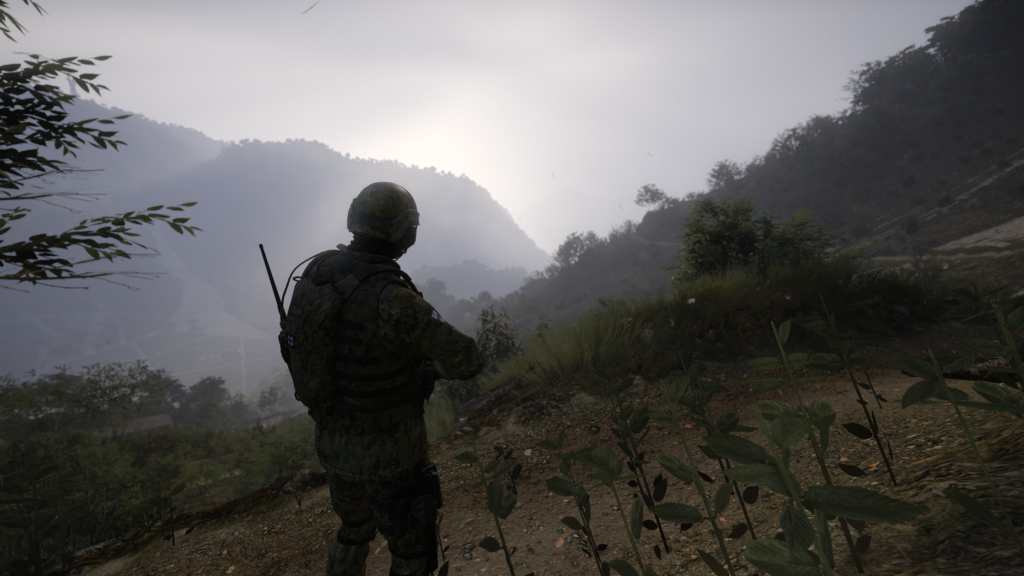
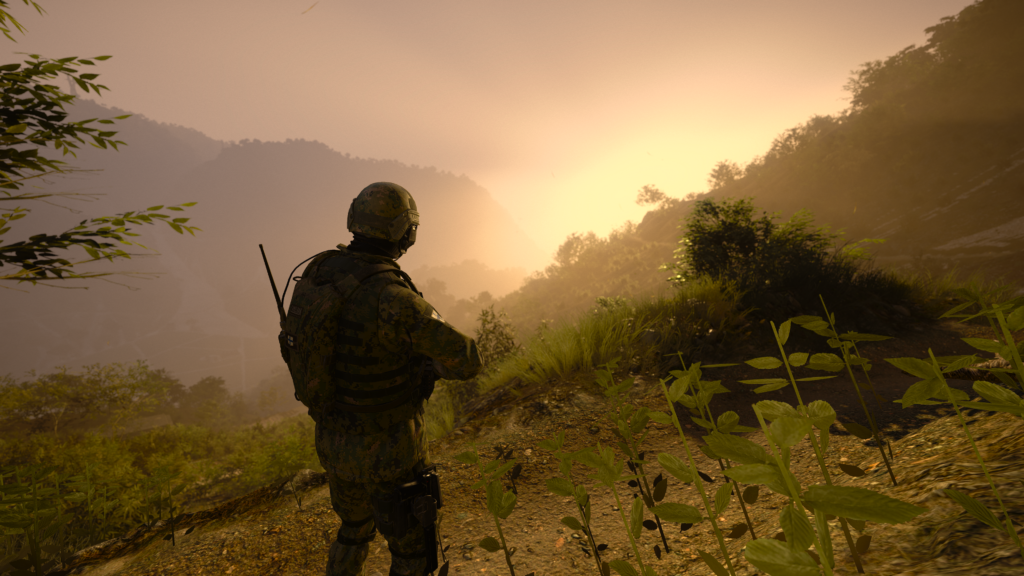
From a technical perspective, virtual photography removes many of the constraints that define real-world photography. There is no physical camera, no sensor, and no limitations imposed by weather or time. In games like Cyberpunk 2077 and Forza Horizon 5, lighting, time, and weather can be changed instantly, and scenes can be revisited without restriction.
Same composition, different time-of-day and lighting conditions.
Questions of Authenticity
Because of this, it is easy to dismiss virtual photography as less “authentic.” This skepticism isn’t unique. Photography itself has long been questioned as an art form, particularly when compared to traditional mediums such as drawing or painting — something I experienced while studying photography. The assumption is that capturing an image is less creative than constructing one from scratch. In virtual photography, the environment is pre-built and the subject matter is simulated. However, this view overlooks what actually defines a photo.
What Actually Defines a Photograph
Photography has never been just about the camera. It is about decisions — framing, timing, composition, and the use of light. These are the same elements that define strong images, regardless of how they are captured. The tools may change, but the underlying principles stay consistent throughout.
In virtual environments, these decisions are more deliberate. Without real-world constraints, the process changes from reacting to a moment to constructing one. The photographer actively shapes conditions rather than waiting for the right ones. This introduces a different kind of discipline: not just knowing when to capture an image, but how to build it.
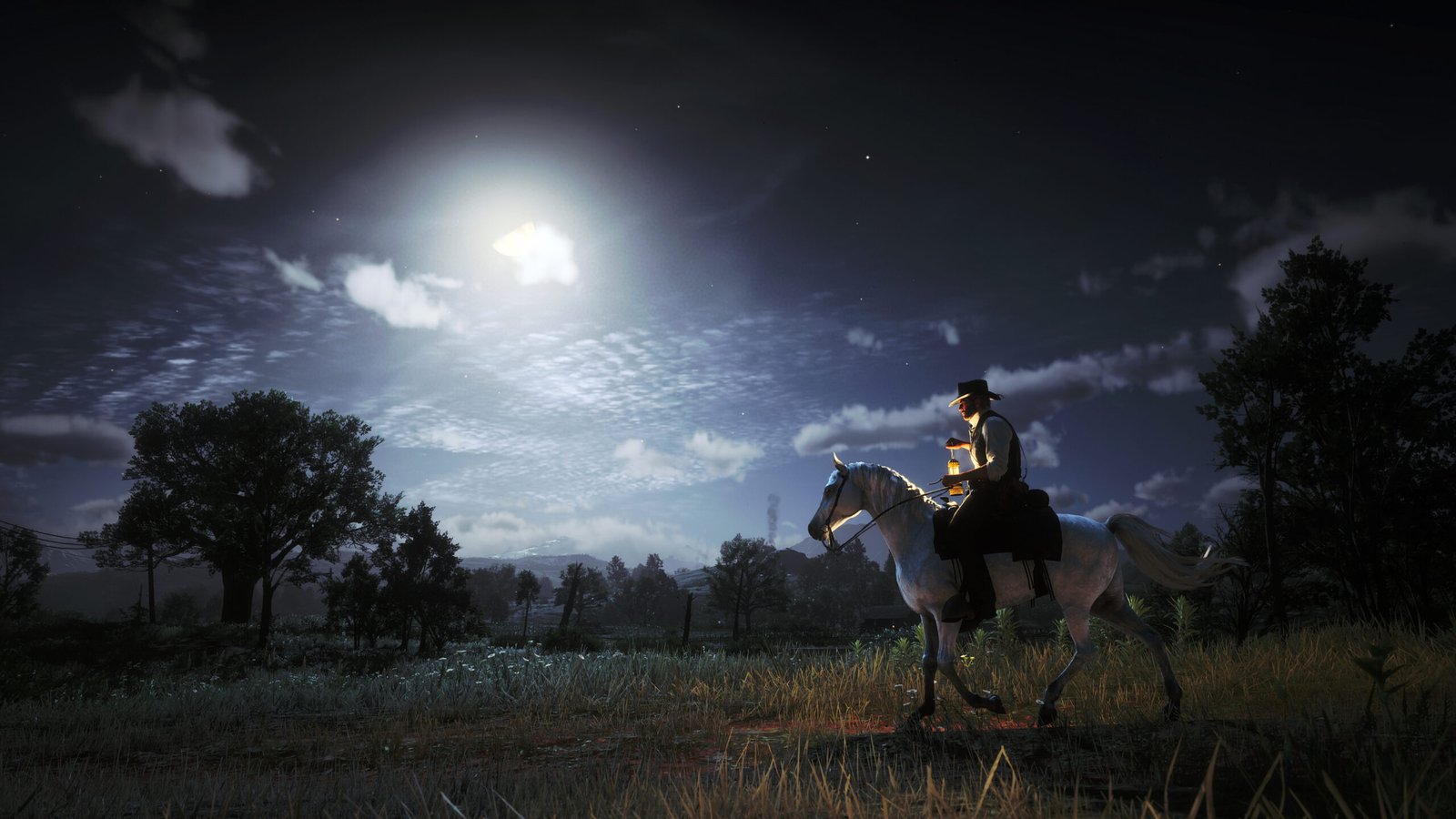
Use of composition and light to establish primary and secondary focal points.
Between Photography and Cinematography
There is also an argument that virtual photography sits closer to cinematography than traditional photography. The environments are designed with visual storytelling in mind, and the tools available often resemble those used in film production. This is particularly evident in open-world games, where composition and lighting can be approached as if working on a set.
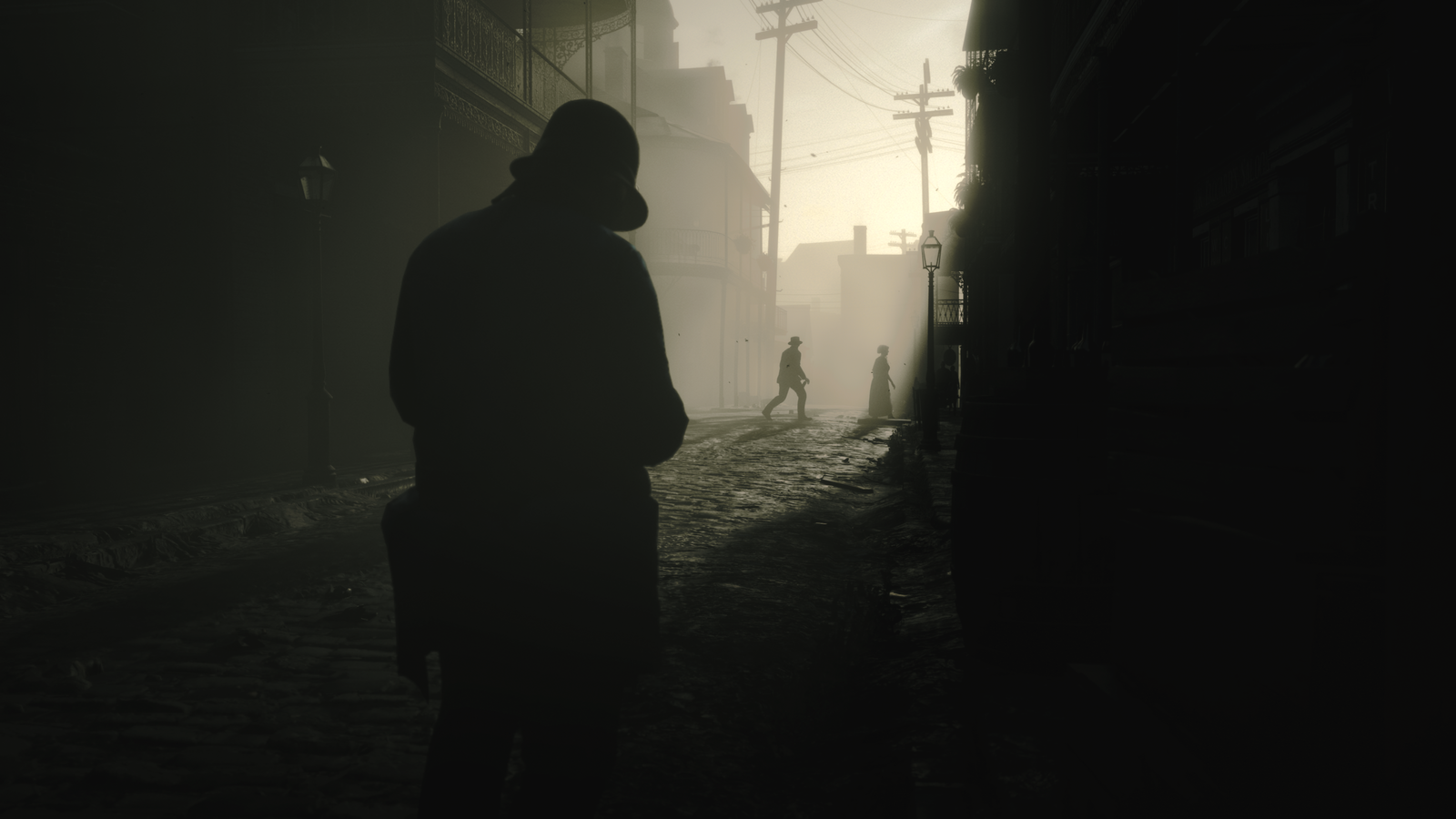
Use of lighting, depth, and subject placement to create a cinematic scene.
At the same time, the accessibility of these tools lowers the barrier to entry. Anyone can enter a virtual environment and capture an image. This makes intentionality and the execution even more important. The difference between a screenshot and a photo becomes defined by the decisions behind it, rather than the tool used. This tendency to evaluate something based on the tool rather than the process behind it appears in other contexts as well.
My own work focuses on capturing moments that feel cinematic rather than reactive, treating in-game environments as spaces for constructed scenes. My approach prioritises composition, lighting, and atmosphere.
Rather than asking whether virtual photography is “real” photography, it may be better to consider what it adds to the medium. It removes physical limitations while retaining the core principles of photography, allowing for experimentation at a level that would be impractical or impossible in the real world.
In that sense, virtual photography is not a replacement for traditional photography, but an extension of it — one that sits at the intersection of visual storytelling and digital design.